
Sauna vs Cold Plunge: Should You Do Hot or Cold First? (Science Says This)
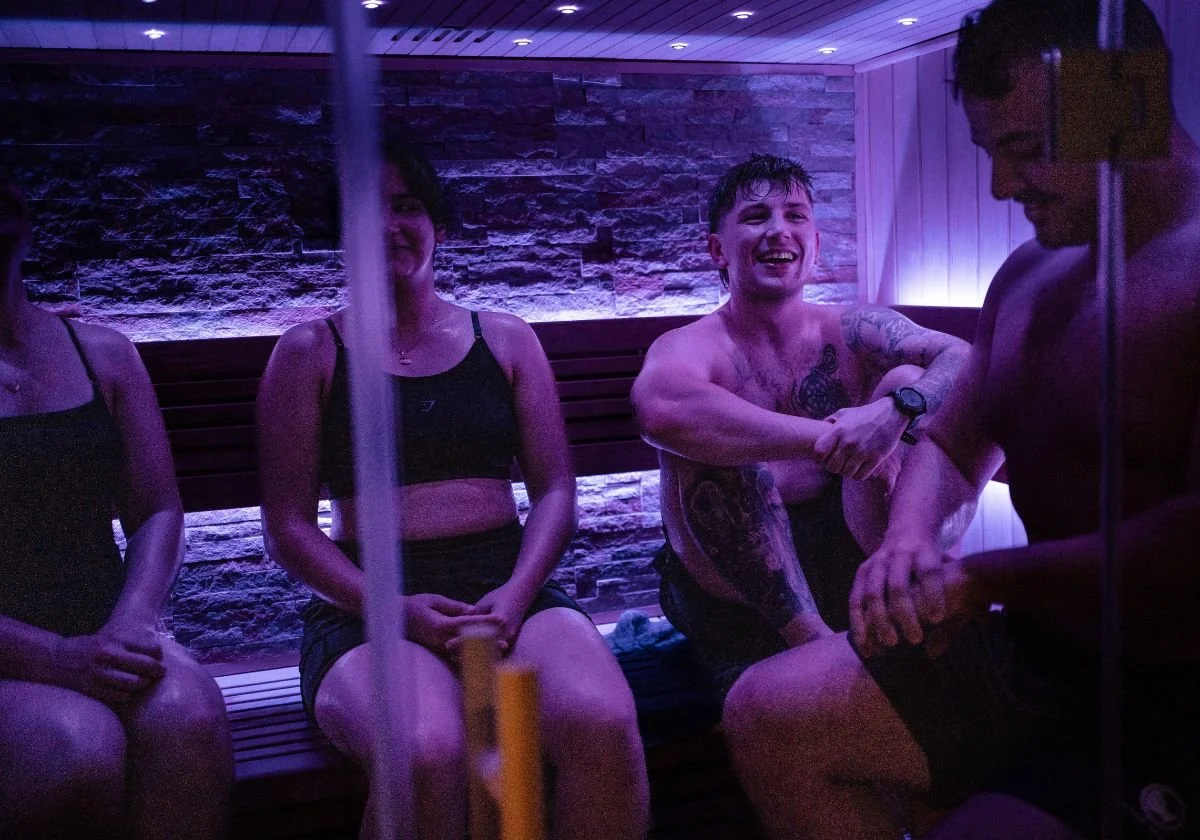
You have heard about the benefits of sauna. You have read about cold plunges. Maybe you have even tried both separately and felt the difference. But the question everyone asks when they walk through our door is this: which one do I do first?
It is a fair question. And the answer matters more than most people think. The order you follow in contrast therapy, alternating between heat and cold - can change how your body responds, how fast you recover, and how good you feel walking out of the session. Get it right and you are stacking benefits. Get it wrong and you are leaving results on the table.
Here is what the science says, what we recommend at Thermal, and why the full picture goes beyond just hot and cold.
What Is Contrast Therapy (And Why Does Order Matter)?
Contrast therapy is the practice of alternating between hot and cold exposure. It has been used for centuries - from Roman bathhouses to Scandinavian saunas followed by icy lake plunges. The basic idea is simple: heat opens blood vessels and increases circulation, while cold constricts them and reduces inflammation.
When you combine the two, you create a kind of vascular pump. Blood flow surges outward during heat, then gets driven back to your core during cold. This cycling effect accelerates the removal of metabolic waste from your muscles, delivers fresh oxygen and nutrients, and stimulates your nervous system in ways that neither therapy achieves alone.
Research published in the Journal of Strength and Conditioning found that contrast therapy can improve recovery by up to 40 percent compared to passive rest alone. That is not a marginal gain. It is the difference between waking up ready to train and spending two days hobbling around after a hard session.
But the sequence matters because your body responds differently depending on which stimulus comes first. Starting with heat produces a different physiological cascade than starting with cold. Let us break down both approaches.
The Case for Hot First, Cold Second
This is the traditional Scandinavian model - and for good reason. Starting with a Finnish sauna session (typically between 80-100 degrees Celsius) raises your core body temperature, increases heart rate, and dilates blood vessels throughout your body. Your muscles relax, tension releases, and blood flow to your extremities increases significantly.
When you then step into a cold plunge (typically 3-7 degrees Celsius), the contrast is dramatic. Your blood vessels constrict rapidly, driving blood back toward your core and vital organs. This creates a powerful circulatory effect that flushes lactic acid and metabolic waste products from your muscles far more efficiently than either therapy alone.
The hot-first approach has several advantages backed by research. First, heating your muscles before cold exposure makes the cold more tolerable. Your body is primed, your tissues are warm and pliable, and the transition feels purposeful rather than shocking. Second, the anti-inflammatory effect of the cold plunge is enhanced when applied to already-vasodilated tissues. The contrast between the two states is greater, meaning the pumping effect on your circulatory system is more pronounced.
A 2022 study in the European Journal of Applied Physiology found that participants who followed a heat-then-cold protocol reported lower perceived muscle soreness 24 hours post-exercise compared to those who did cold-then-heat. They also showed reduced markers of inflammation in blood samples taken after the session.
The Case for Cold First, Hot Second
Some practitioners argue for starting cold. The reasoning is that cold exposure triggers a strong sympathetic nervous system response - your fight-or-flight system kicks in, adrenaline and norepinephrine surge, and your body becomes highly alert. Following that with heat then activates the parasympathetic system, bringing you into a state of deep relaxation.
This cold-first approach has some merit for people whose primary goal is mental health or stress management. The sharp cold stimulus followed by gradual warming can feel like a complete nervous system reset. Some people find they sleep better when they end on heat rather than cold.
However, the evidence for recovery benefits is weaker with this protocol. Starting cold on muscles that have not been warmed up means the vasoconstriction happens on already-tight tissues. The pumping effect is less dramatic because the baseline state was constricted rather than dilated. You miss out on that powerful contrast that drives the recovery benefits.
So What Does the Science Actually Recommend?
The bulk of peer-reviewed research supports starting with heat and finishing with cold for physical recovery. A meta-analysis of 13 studies on contrast water therapy found that protocols beginning with heat exposure showed the most consistent improvements in recovery markers including creatine kinase levels, muscle soreness ratings, and range of motion restoration.
The recommended timing from most research lands around 10-15 minutes of heat followed by 2-4 minutes of cold. If you are doing multiple rounds of contrast, a ratio of roughly three-to-one (heat-to-cold exposure time) appears optimal for most people.
But here is what most articles about sauna vs cold plunge miss entirely: limiting yourself to just these two therapies means you are only getting part of the picture. The real gains come when you layer additional modalities into the sequence.
Why Thermal's Bio-Stacking Sequence Goes Further
At Thermal, we do not just offer a sauna and a cold plunge. Our private wellness room integrates four distinct therapies - Red Light Therapy, Finnish Sauna, Cold Plunge, and Halotherapy - into one seamless session. We call it bio-stacking, and the sequence we recommend is built on the same principles the research supports, taken further.
Here is the recommended Thermal bio-stacking sequence and why each step sits where it does.
Step 1: Red Light Therapy
You start with red light therapy. Wavelengths at 630nm (red) and 850nm (near-infrared) penetrate your skin and are absorbed by mitochondria in your cells. This stimulates ATP production - the energy currency your cells use for repair and regeneration. Starting here means your cells are primed for recovery before you even begin the heat and cold cycle.
Red light also reduces oxidative stress and promotes collagen synthesis. Think of it as switching on your body's repair machinery at the cellular level before amplifying it with contrast therapy.
Step 2: Finnish Sauna
With your cells already activated by red light, you step into the Finnish sauna. Your core temperature rises, blood vessels dilate, circulation increases, and your muscles begin to release tension. The heat also triggers the production of heat shock proteins, which help repair damaged cells and protect against future stress.
The sauna amplifies the effects of the red light therapy because increased blood flow delivers more oxygen and nutrients to the cells you just stimulated. Everything works together rather than in isolation.
Step 3: Cold Plunge
From peak heat, you transition to the cold plunge. This is where the contrast therapy magic happens. Blood vessels constrict, inflammation drops, and the vascular pump drives metabolic waste out of your tissues. Norepinephrine levels surge - research shows cold exposure can increase norepinephrine by up to 530 percent - which reduces pain perception and boosts mood.
Because you have already been through red light and sauna, your body is in a heightened state of repair and circulation. The cold plunge locks in the anti-inflammatory benefits and sends a powerful signal to your nervous system to reset.
Step 4: Halotherapy (Salt Therapy)
Throughout the session, you are surrounded by Himalayan salt brick walls. Micro-particles of pharmaceutical-grade salt fill the air, and as you breathe deeply during each therapy, these particles work their way into your respiratory system. Salt is naturally anti-inflammatory and antimicrobial. It helps clear airways, reduce congestion, and can benefit skin conditions like eczema and psoriasis.
The halotherapy element works quietly in the background, adding a layer of respiratory and skin health benefits to what is already a comprehensive recovery session. The warm amber glow from the salt bricks also creates an atmosphere of calm - something you feel the moment you step inside.
What About Doing Multiple Rounds?
Some people ask about doing multiple rounds of hot and cold within their session. This is a valid approach and one we encourage if it feels right for you. A common protocol is two rounds of sauna-to-cold-plunge within the hour, with red light running at the start and halotherapy throughout.
The key is listening to your body. If you are new to contrast therapy, one round of each is plenty. Your body will adapt over time, and you will naturally start wanting more contrast as you become accustomed to the temperatures. There is no rush. The benefits accumulate with consistency rather than intensity.
Who Benefits Most From Getting the Order Right?
Contrast therapy is not just for elite athletes. While the recovery benefits are significant for anyone training hard, whether that is Hyrox, CrossFit, marathon running, or Muay Thai - the sequence works for a wide range of people.
If you sit at a desk all day and carry tension in your shoulders and neck, the heat-to-cold sequence releases that tension and reduces the low-grade inflammation that comes from a sedentary lifestyle. If you struggle with sleep, the nervous system reset from contrast therapy can help regulate your circadian rhythm. If you are dealing with chronic stress, the combination of heat, cold, and salt air creates a sensory environment that forces you out of your head and into your body.
The research consistently shows that the combination of therapies outperforms any single modality. A sauna is good. A cold plunge is good. Together, in the right order, they are significantly better. Add red light and halotherapy into the stack, and you have something that covers cellular repair, circulation, inflammation, respiratory health, and mental reset in a single hour.
Try It for Yourself
Reading about contrast therapy order is one thing. Feeling the difference is another entirely. At Thermal, Glasgow's only integrated bio-stacking wellness room, you get all four therapies in one private session - no scheduling four separate appointments, no rushing between facilities.
Solo sessions are £44 per hour. Bring up to three friends and share a group session for £66. Every session follows the science-backed sequence we have outlined here, and you have the room entirely to yourself.
Book your first session at thermal.health and feel what happens when you stack recovery properly. Your body already knows the order. It is time to give it the tools.
